Shingle roofing takes a beating in Oklahoma winters, and if you’ve ever wondered what’s actually happening up on your roof when temperatures dip, you’re asking the right question. The short answer: cold weather puts real stress on shingles, and knowing what to watch for can save you from a much bigger repair bill down the road.
How Cold Temperatures Affect Asphalt Shingles
Asphalt shingles are designed to flex a little. That flexibility is actually what helps them hold up over time. But when temperatures drop significantly, shingles lose that flexibility and become brittle. Walk across a cold roof and you can crack shingles that would have bounced back just fine on a warm afternoon. Even without foot traffic, the constant cycle of freezing nights and warming days puts the material under stress with every single cycle.
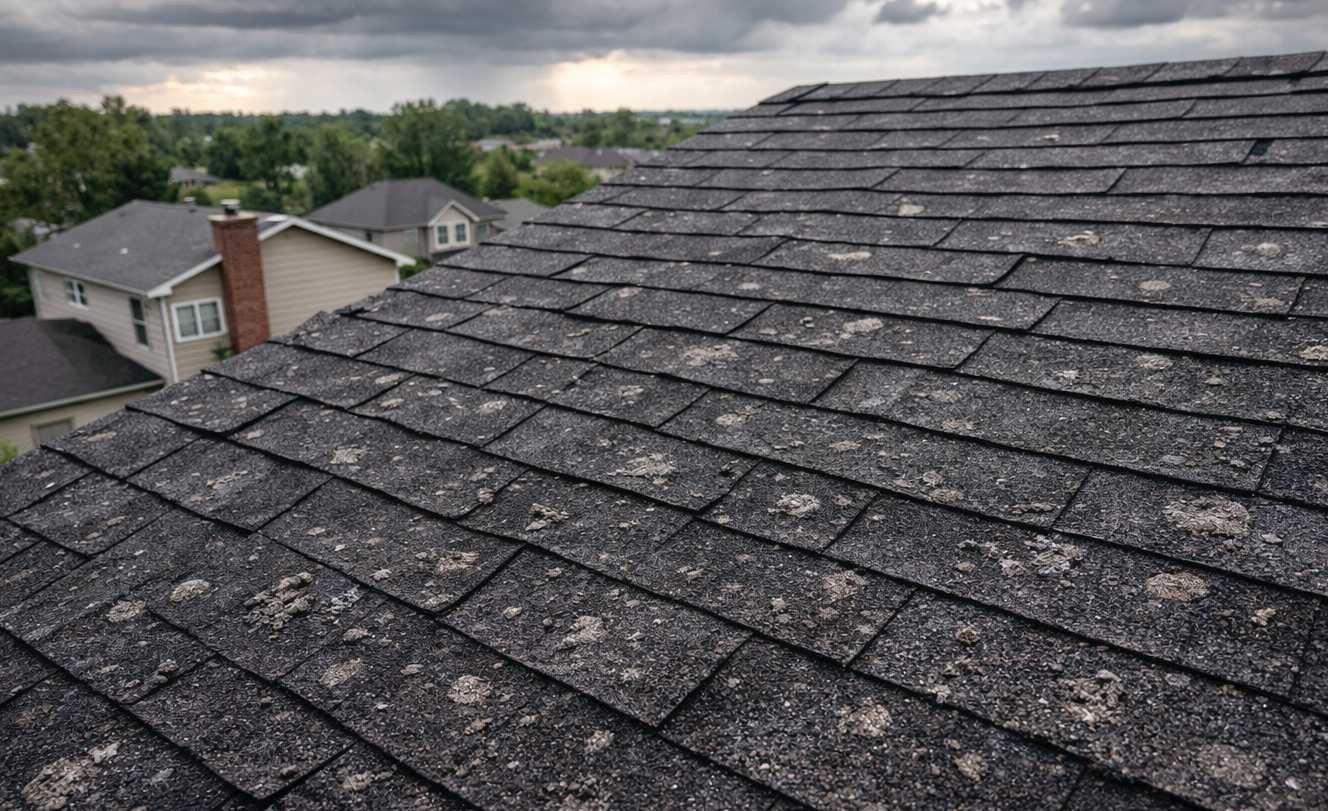
The granules embedded in the shingle surface also start to matter more in winter. Those granules protect the underlying asphalt from UV rays and physical wear. If your roof is already losing granules from age or previous storm damage, that bare asphalt is far more vulnerable to freeze-thaw cycles working their way into tiny surface cracks.
Ice Dams and What They Actually Do
Ice dams are one of the most common cold-weather problems we see across Oklahoma City and surrounding areas. They form when heat escaping through your attic warms the upper part of the roof, melting snow or ice, which then runs down toward the cold eaves and refreezes. That ridge of ice backs water up under your shingles, and water finding its way beneath a shingle is never a good situation.
In communities like Edmond and Yukon, where temperatures can swing dramatically between day and night, ice dams can form even after a modest freeze. The damage shows up as water stains on ceilings, peeling paint near exterior walls, or wet insulation in the attic. By the time you notice any of those signs, the moisture has usually been sitting there for a while.
Thermal Contraction and Lifted Shingles
Another thing cold weather does is cause materials to contract. Your shingles, the decking beneath them, and even the nails holding everything together all shrink slightly when it gets cold. Over years of cycling through this, nails can start to back out just enough to lift a shingle edge. Lifted shingles let wind and water in, and in a place like Norman or Moore where winter winds can be strong, even a slightly lifted shingle can become a significant problem fast.
Older roofs feel this more acutely. A roof that still has several good years left in it may handle the stress just fine. A roof that’s already near the end of its lifespan is more likely to show lifted edges, cracking, or splitting when the temperatures really fall.
Why November Is a Good Time to Get Eyes on Your Roof
This time of year, before the coldest stretch really sets in, is genuinely one of the best windows to catch problems early. We offer free roof inspections across Oklahoma City and surrounding areas, including Edmond, Yukon, Norman, and Moore. A quick look right now can tell you whether your shingles are in solid shape heading into winter or whether there’s something worth addressing before ice and cold make things worse.
We’re also experienced in insurance restoration work, so if storm damage from earlier in the year left your roof in a vulnerable spot, we can help you understand your options and work through the claims process. With ten years serving this region and a 5-star rating across our Google reviews, we take pride in giving homeowners straight, honest answers about what their roof needs and what it doesn’t.
If there’s a concern you’ve been meaning to look into, or if this is the first time you’re thinking about cold-weather roof prep, give us a call or drop us an email. We’re happy to take a look and talk through whatever questions you have, no pressure at all.