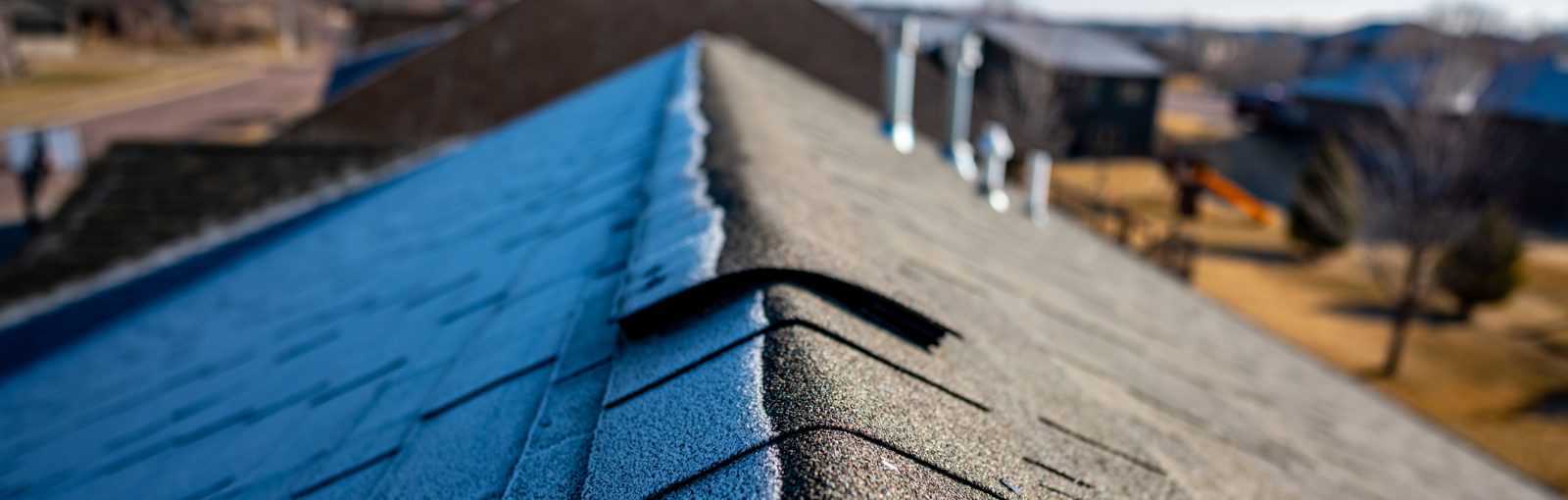
If you live in Oklahoma, you already know how quickly a clear afternoon can turn into a hailstorm. One minute the sky looks fine, and the next you’re listening to ice hammer your roof, your car, and your windows. Once the storm passes, most homeowners ask the same question: did my roof just take a serious hit?
The tricky part is that hail damage isn’t always easy to see. A roof can look normal from the driveway and still have damage that leads to leaks, shortened roof life, and costly repairs down the road. This guide covers what hail damage looks like, what to do right after a storm, and when it’s time to bring in a professional.
Why Hail Is So Hard on Oklahoma Roofs
Hail doesn’t need to be huge to cause problems. Even smaller stones can bruise shingles, knock off protective granules, and weaken the layers underneath. Add strong winds that drive hail sideways, and damage can show up on slopes and areas you wouldn’t expect.
Oklahoma’s severe weather season also means many roofs take repeated hits over the years. Damage from one storm can stack on top of earlier wear, so a roof that was holding up fine may suddenly start failing after one more round of hail. If you want to understand how local weather wears on roofing systems over time, our post on how Oklahoma City weather impacts your roof is a good companion read.
Signs Your Roof May Have Hail Damage
You don’t need to climb onto your roof to start looking for clues. Here are some of the most common signs of hail damage.
On the roof surface:
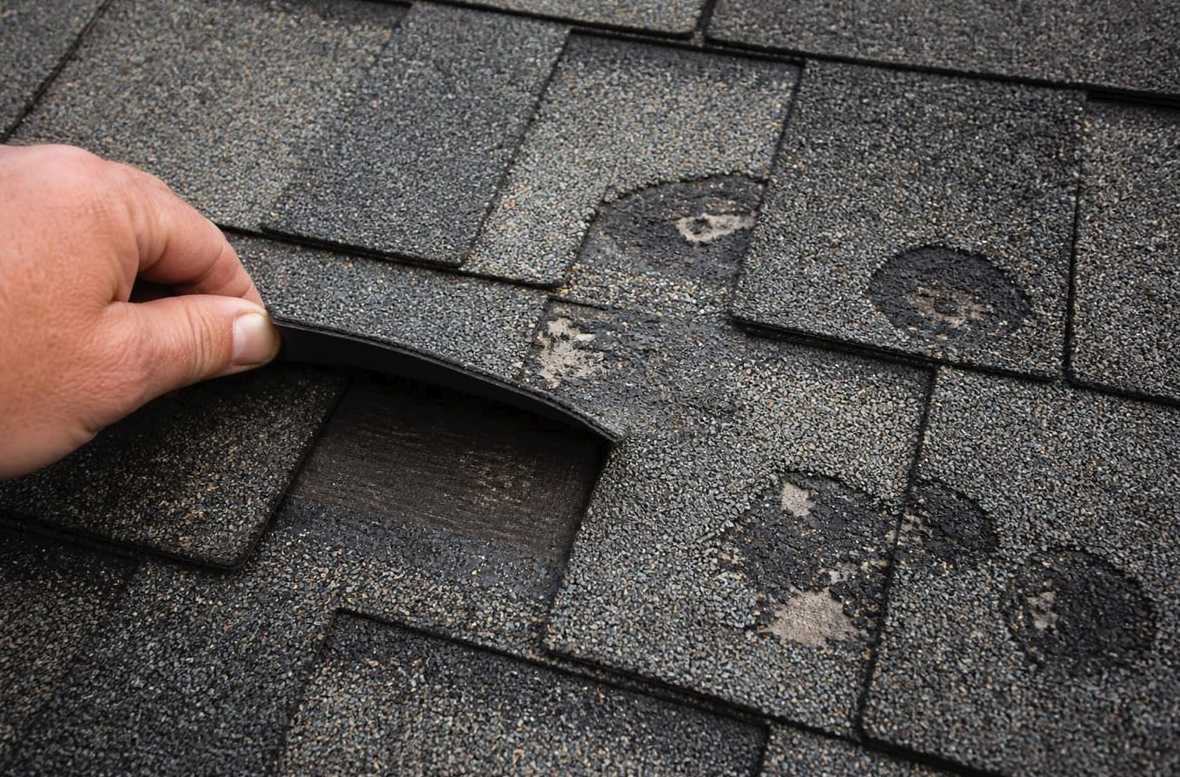
- Dents or bruises on shingles that feel soft or spongy when pressed
- Missing or loose granules, which can collect in gutters or at the base of downspouts
- Cracked or fractured shingles
- Exposed fiberglass matting beneath the shingle surface
- Random, scattered impact marks rather than a pattern of general wear
Around the roof and property:
- Dented vents, flashing, or roof edges
- Dented gutters and downspouts
- Damaged siding, window screens, or window frames
- Dings on outdoor furniture, grills, or air conditioning units
Inside your home:
- Water stains on ceilings or walls
- Damp spots in the attic
- A musty smell that wasn’t there before
Granules and dented metal are especially worth checking. If your gutters are suddenly full of what looks like coarse black sand, your shingles may be losing their protective layer. Damaged gutters are also a reminder that storm damage rarely affects just one part of your exterior, so it helps to think about your full drainage system. You can learn more in our post on the importance of reliable gutter systems.
What to Do Right After a Hailstorm
Acting quickly can protect both your home and your insurance claim. Here’s a simple checklist to follow.
- Stay safe. Wait until the storm has fully passed, and never climb onto a wet or damaged roof yourself.
- Walk the property from the ground. Look for the signs listed above, including dented gutters, damaged siding, and debris in your yard.
- Take photos. Document anything that looks damaged, including dates and different angles.
- Check your attic and ceilings. Look for water stains, drips, or damp insulation.
- Prevent further damage. If there is an active leak, place a bucket underneath and move belongings out of the way. A temporary tarp over damaged areas can help, but have a professional handle that.
- Schedule a professional roof inspection. This is the most important step, because hidden damage is common.
Why a Professional Inspection Matters
Some of the worst hail damage is invisible from the ground. Bruised shingles may not leak right away, but they can fail months later, often just after your window to file an insurance claim has passed. A trained roofing contractor knows what to look for, from subtle impact marks to damage around flashing, vents, and roof valleys.
A professional inspection gives you:
- A clear picture of your roof’s actual condition
- Photo documentation to support an insurance claim
- An honest recommendation on whether repairs or a full replacement makes the most sense
- Peace of mind that nothing is being missed
If you’re unsure whether the damage is worth reporting, an inspection helps you decide with real information rather than guesswork.
Repair or Replace? How to Decide
Not every hail-damaged roof needs to be replaced. The right answer depends on several factors:
- The extent of the damage. Isolated damage on a small section can often be repaired. Widespread impact across multiple slopes usually points toward replacement.
- The age of your roof. An older roof that has already taken years of wear is more likely to need a full replacement after a major storm.
- The condition of the underlying materials. If the decking or underlayment has been affected, a simple patch may not be enough.
- Your long-term plans. If you’re planning to sell, a new roof can add real value and appeal for buyers.
A reputable contractor will walk you through the options honestly instead of pushing a bigger project than you need. You can find an overview of everything we offer on our roofing services page.
Navigating the Insurance Claim Process
Insurance claims after a storm can feel overwhelming, but a few habits make the process smoother:
- File your claim promptly, since many policies have time limits.
- Keep all photos, inspection reports, and written estimates in one place.
- Ask your contractor to document damage thoroughly before any work begins.
- Work with a contractor who has experience dealing with insurance companies and understands what documentation is needed.
At Wright Way Roofing & Construction, we help homeowners and business owners document storm damage properly and move their claims forward, so you can focus on getting your property back to normal.
Don’t Wait to Get Your Roof Checked
Roof damage rarely fixes itself, and waiting usually makes it more expensive. A small problem caught early can often be handled with a straightforward repair, while the same problem left alone can turn into interior water damage, mold, and a much bigger bill.
If a recent storm has you wondering about your roof, the team at Wright Way Roofing & Construction is ready to help. We’ll inspect your roof, explain what we find in plain language, and recommend the right next step for your property and budget.