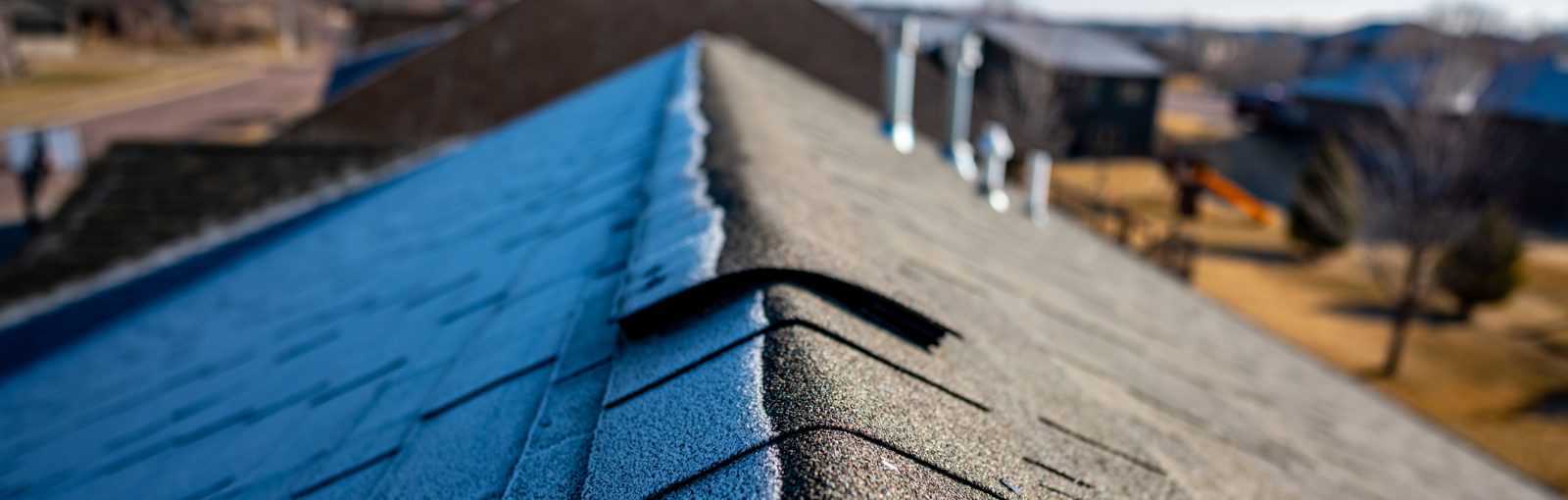
If your home has taken a hit from a recent storm, documenting your roof storm damage thoroughly before filing an insurance claim can make a significant difference in how smoothly the process goes. Insurance adjusters work from evidence, and the more organized and detailed your documentation is, the better your chances of getting a fair settlement. Here’s a practical walkthrough of how to do it right.
Start From the Ground (Seriously, Stay Safe)
Before you do anything else, resist the urge to climb up on the roof right after a storm. Wet shingles, compromised decking, and debris make for dangerous conditions. Start your documentation from the ground and from inside the house. Walk the perimeter slowly, look for missing or lifted shingles, dented gutters, granule buildup around downspouts, damaged fascia boards, and any debris that landed on or around the roof.
Inside, check your attic for daylight peeking through, water stains on the decking, or any wet insulation. These are telling signs that the roof envelope has been breached. Take photos and short video clips of everything you find, including the interior attic space. The more angles you capture, the better.
Use Your Phone Like a Pro
You don’t need special equipment to document damage well. Your smartphone camera works just fine, but a few habits will make your photos more useful to an adjuster.
- Make sure your phone’s location and timestamp settings are turned on so metadata is embedded in each photo.
- Shoot wide establishing shots first, then move in closer to capture specific damage points.
- Use a coin, a pen, or your hand near damaged areas to give the adjuster a sense of scale.
- Don’t skip the gutters, the siding, and any skylights or vents. Storm damage rarely stops at just one surface.
Video walkarounds are also genuinely helpful. Narrate as you go, describing what you’re seeing and where you are on the property. This kind of detail holds up well when adjusters are reviewing a claim from a desk in another city.
Write Everything Down
Photos tell part of the story. A written record fills in the rest. Jot down the date and time the storm hit, the general nature of the weather (hail, high winds, heavy rain, or some combination), and a description of each area where you noticed damage. Note which rooms showed interior signs of a leak, and flag any personal property that was affected.
If your neighbors in Oklahoma City, Norman, Moore, Yukon, Mustang, or Midwest City experienced the same storm, it can actually help to mention that in your claim. Widespread damage events are usually well-documented by insurance companies and local weather services, and a consistent pattern across a neighborhood reinforces that the damage was storm-related rather than from deferred maintenance.
Make Temporary Repairs, and Document Those Too
Most insurance policies expect you to take reasonable steps to prevent further damage after a storm. If you can safely place a tarp over a compromised section or board up a broken skylight, do it. Keep your receipts for any materials you buy, and photograph the temporary repairs before and after. These costs are often reimbursable as part of your claim.
Do not, however, make permanent repairs before your adjuster has had a chance to inspect the roof. Jumping ahead can actually work against you if the adjuster can no longer assess the original damage firsthand.
Get a Professional Inspection on the Record
One of the most valuable things you can do before your adjuster arrives is to have a qualified roofing contractor inspect the roof and provide a written damage assessment. We’ve been doing this kind of work across Oklahoma City and surrounding areas for a decade now, and we offer free roof inspections and estimates. Having an independent professional report in hand gives you a solid, knowledgeable counterpoint if the insurance company’s assessment comes in lower than expected.
With ten years of experience in insurance restoration work and a 5-star rating backed by dozens of happy customers, we know how to identify storm damage thoroughly and communicate findings clearly. We’re also familiar with Class 4 shingle upgrades, which in some cases can reduce your insurance premiums going forward, so it’s worth a conversation.
Keep Everything in One Place
Before you submit your claim, gather all of your photos, videos, written notes, receipts, and the contractor’s inspection report into a single folder, whether that’s a physical folder or a shared cloud drive. Send copies to your insurance agent and keep a set for yourself. Organization goes a long way toward a faster resolution.
Storms are stressful, and dealing with insurance paperwork on top of the damage itself can feel like a lot. We’re available around the clock if you have questions or need someone out to take a look. Give us a call or drop us an email, and we’ll be happy to help you take the next step.